In this section we are going to learn all about Spring, when it starts and ends, as well as why do have the Spring season.
Information and Activities
When Does Spring Start?
There are two answers to this question. In the meteorological calendar, spring begins on 1st March and ends on 31st May. In the astronomical calendar, spring starts on the day of the vernal (spring) equinox.
An equinox happens twice every year when the sun passes directly over the equator, making the hours of daylight and darkness roughly equal everywhere on Earth.
The vernal equinox marks the beginning of spring, and after it the days become longer and the nights shorter. The vernal equinox always occurs around 21st March in the Northern Hemisphere, and astronomical spring runs till 21st June 2021.
For more about the spring equinox and to try a wee quiz What is the Spring Equinox?404
Jessi and Squeeks can tell you all about the vernal equinox
What Causes Different Seasons?
So what causes the different seasons?
Here’s what NASA have to say:
Earth’s tilted axis causes the seasons. Throughout the year different parts of the Earth receive the Sun’s most direct rays. So, when the North Pole tilts towards the Sun, it’s summer in the Northern Hemisphere. And when the South Pole tilts towards the Sun it’s winter in the Northern Hemisphere.
So why on earth does the Earth tilt? Find out more on NASA's web site What Causes the Seasons?. Spoiler alert, the Earth took a gigantic hit!
Here’s a great video to sum it all up from the BBC - When Does Spring Begin?.
Now learn more by reading 10 Facts About Spring404 from the MetOffice to impress your friends and family.
Jock’s jokes:
What did the tree say to spring? - What a re-leaf!
Which season is best to go on a trampoline? - Spring!
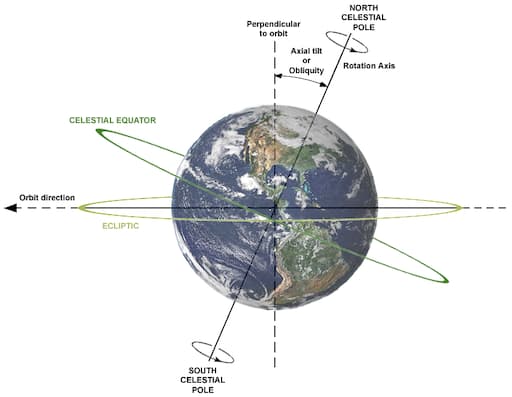 What Causes the Seasons? (NASA) (Image Credit Dennis Nilsson )
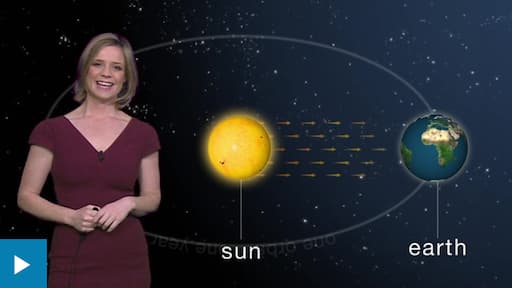 When does spring begin? (BBC Weather)
Spring Flowers
Start to look out for Spring flowers. They are so important as they feed insects, birds and animals. When Jock wants to see spring wildflowers growing in woodlands he often visits ancient woodlands (woodland that has been around since 1600 as shown on old maps) such as Tillyfourie Oak or Paradise woodland near Monymusk.
The first flowers Jock sees are snowdrops. Learn more by reading 10 Fun Facts about Snowdrops.
He also likes Butterbur: Scotland's Nature: Butterbur.
Here he often sees wood anemone and other spring flowers appearing on the forest floor before the trees have leaves as this is when the sunlight reaches the forest floor. Learn more by reading the Wildlife Trust's Wood Anemone information.
In the forests on the slopes of Bennachie and near to the Bennachie Visitor centre Jock see Wood Sorrel he loves these delicate white flowers Wood Sorrel (Wildlife Trust).
He also see blaeberry flowers in May and cannot wait until July when the dark fruit will be ready so he can eat them with the blackbirds! Read more about Blaeberry at the Trees for Life web site.
If you want to find out more about spring flowers: Woodland Trust - Early Spring Flowers
Why not try growing your own wildflowers: Growing Wild Flowers with ChildrenUNREACHABLE
Jock’s jokes: What do you get when 2 plants kiss? Tu-lips!
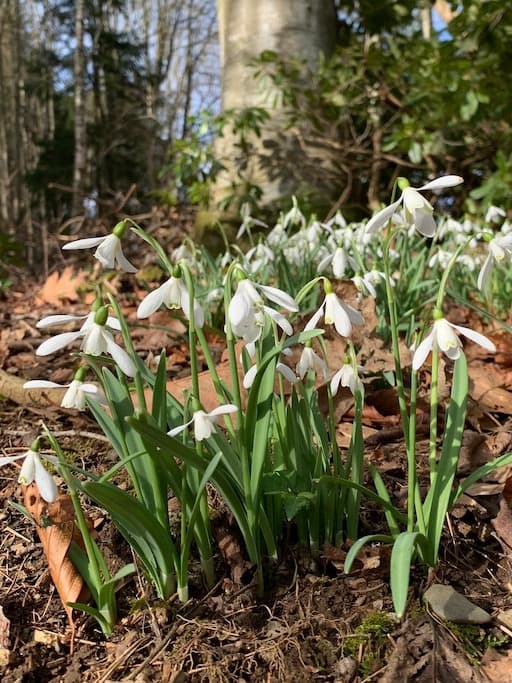 Snowdrops (Credit Hilary Caldwell)
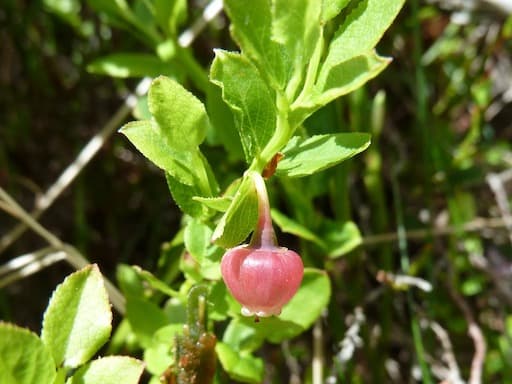 Blaeberry Flower (Credit Chris Foster)
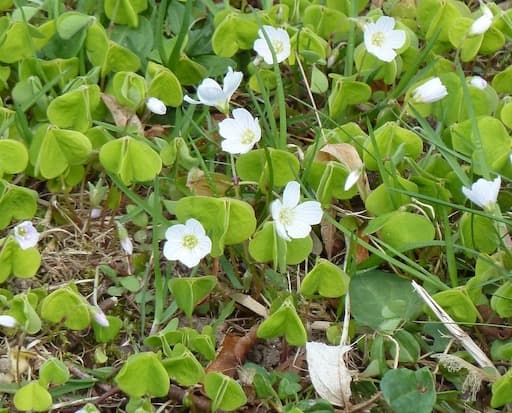 Wood Sorrel (Credit Chris Foster)
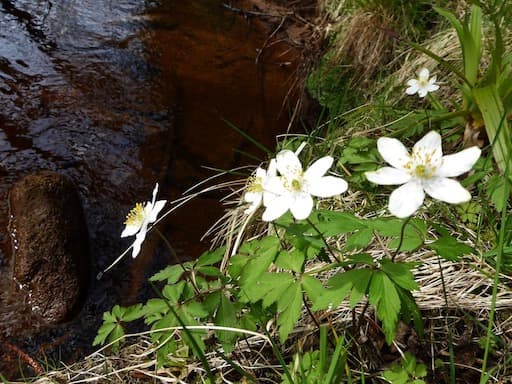 Wood Anenome (Credit Chris Foster)
Also See
Also see our Summer Programme, Spring Programme, Winter Programme and Autumn Programme
If you have enjoyed these activities please share them with your friends and family.